In-Fertility
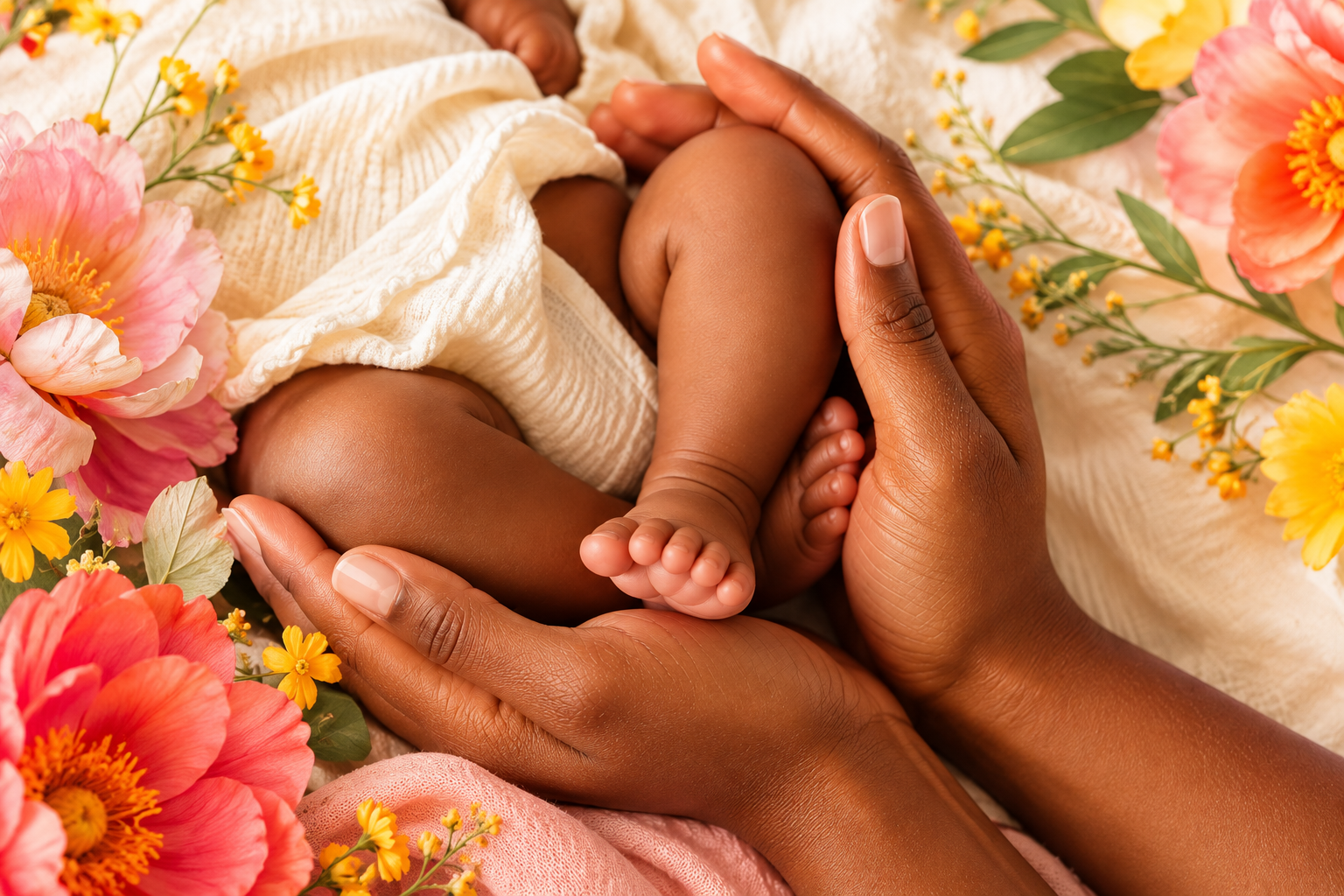
As someone who has encountered people from various walks of life, it’s always interesting to hear someone else’s story. I tend to mention in many conversations, “You never know what someone is going through.” And it’s true. People aren’t walking around with a projector screen, showing reels of their life.
A common ache that I often hear people talk about is their struggles with infertility. Why is a 20- or 30-something-year-old, seemingly healthy couple having so many failed attempts at getting pregnant? Month after month and year after year? Many of us may not realize the imbalances that can exist within our bodies, and those imbalances can present themselves through various health issues, including infertility.
Today’s society doesn’t necessarily make maintaining that balance any easier, either. Consider which fast-food chains are often advertised, or how frequently the latest car is promoted versus advertising a different form of transportation, perhaps a bike? These influences can certainly encourage a poor diet and a stagnant lifestyle. The body can react accordingly, with factors such as poor circulation, inflammation, hormonal changes, and other imbalances potentially affecting overall health and reproductive function. And when it comes to conditions such as PCOS (Polycystic Ovary Syndrome), the conversation around what is happening within the body can become even more complex. Sound familiar?
If you're a woman struggling with fertility, chances are you’ve already heard a physician mention that four-letter acronym to you. Oftentimes, improving overall health and reproductive well-being doesn’t require a complicated approach. Rather, it can begin with adjusting your lifestyle—not just what you eat, but how you eat. Not just exercising, but exercising consistently. And lifestyle changes don’t always have to be drastic to create meaningful changes or, eventually, a breakthrough.
I’d assume that many people wouldn’t initially think to list holistic medicine as a treatment option for infertility because, unfortunately, it doesn’t always pass the popularity test. However, despite holistic medicine, such as acupuncture and herbal medicine, not being as mainstream as other modalities, these approaches can be used to support the body’s overall balance and well-being. A holistic treatment, along with other complementary approaches, may support reproductive health in a number of ways, including circulation to the reproductive organs and overall uterine health.
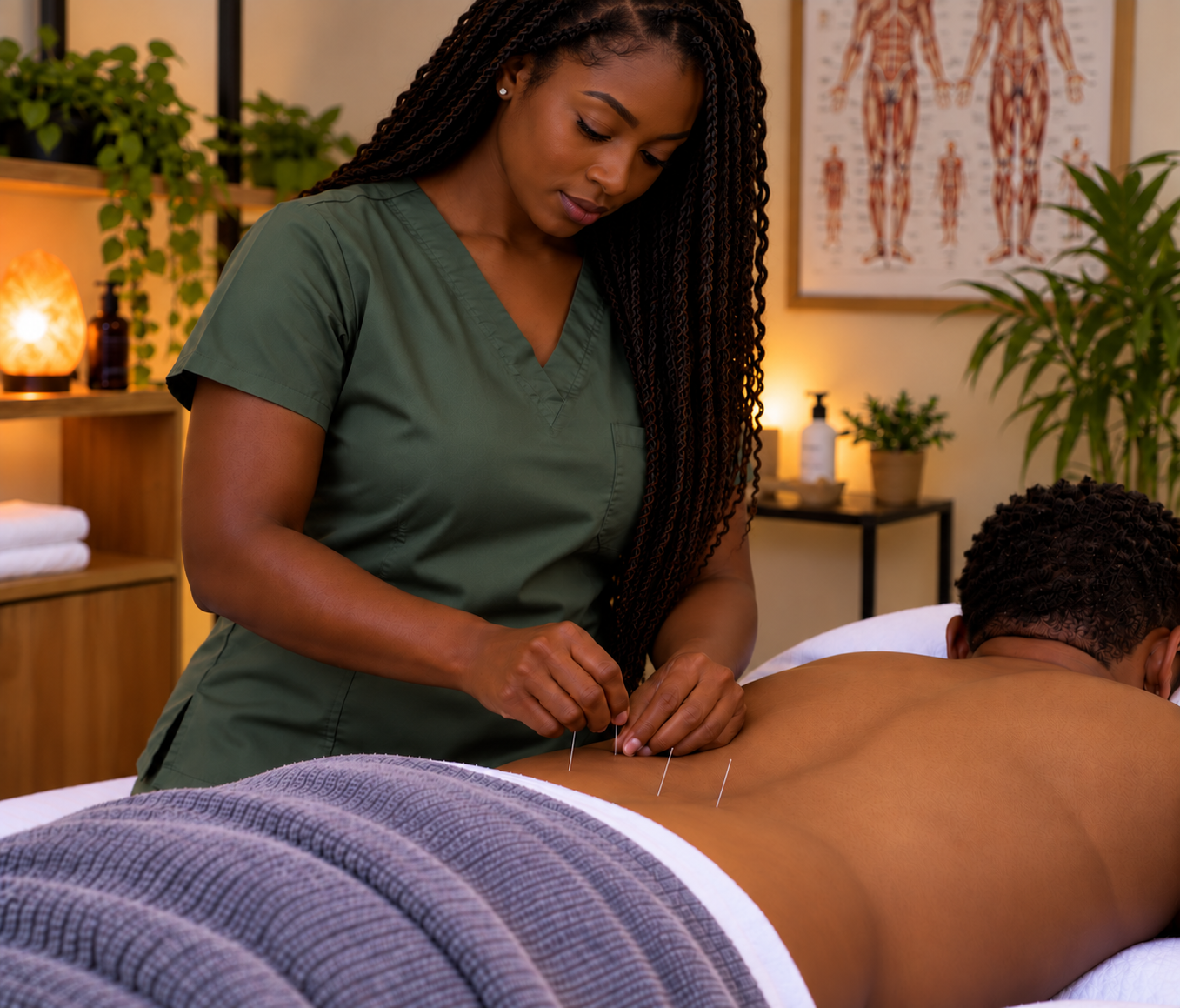
Address the root, Rebalance the body & Live your life, in-fertility.
But wait—let’s not get carried away and forget that men, too, can experience infertility. Just as with women, lifestyle factors can play a role in male reproductive health, including sperm quantity and quality. Holistic treatment can be supportive here as well, with the goal of improving overall health by removing toxins, supporting circulation, and creating an environment in which the body has the opportunity to function at its best.
Overall, rebalancing the body with a holistic approach can be one piece of a broader approach to reproductive health. When combined with appropriate medical evaluation and care, lifestyle changes and complementary therapies may help support both egg and sperm health and, ultimately, the chances of conception and a successful pregnancy.
Address the root. Rebalance the body. Live your life, in-fertility.
““Nurture the soil, and trust the season of the seed.””