
Despite taking four years of science courses in high school and graduating with a degree in Biology, melanin was never a topic of discussion in any of my classes, nor do I recall ever seeing it mentioned in a textbook. It wasn’t until adulthood that curiosity led me to explore the subject through research and conversations.
The discussion of melanin is a hidden gem, offering a fascinating opportunity to explore the science, beauty, and significance of one of nature’s most remarkable pigments. This quick read is designed to share fun and interesting facts that many of us may not know, along with recommended ways to nourish, celebrate, and care for our melanin.
What Is Melanin?
More commonly known, melanin is the pigment responsible for giving our skin, hair, and eyes their color. There are four main types: eumelanin, which produces brown to black tones; pheomelanin, which produces yellow to red tones; neuromelanin, a dark pigment found in certain regions of the brain; and allomelanin which is a broad category of melanin-like pigments found in fungi, plants, and other organisms. While eumelanin, pheomelanin, and allomelanin primarily contribute to pigmentation, neuromelanin plays a specific role in supporting brain health.
Research into neuromelanin is still ongoing, however, according to Zucca, Capucciati, et al., (2022), it is believed to help protect brain cells, bind potentially harmful substances, and support the health of neurons that are involved with movement. Scientists are also studying its connection to neurological health and diseases, including Parkinson’s disease.
Melanin is produced through a process called melanogenesis. This biochemical process occurs within specialized organelles called melanosomes, which are found in cells known as melanocytes. Within these melanosomes, melanin is synthesized and accumulates.
What Makes Melanin Important?
As if giving our skin its rich, beautiful hue isn’t important enough! Yes, melanin does more than that — it goes beyond skin-deep! As stated by Dr. Llaila Afrika, a Doctor of Naturopathy, other responsibilities of melanin include absorbing and interacting with various forms of energy, including sunlight, electromagnetic radiation (particularly ultraviolet (UV) radiation), and cosmic rays. In the skin, it helps protect our DNA and cells by absorbing UV radiation, dissipating energy as heat, and scavenging certain free radicals to prevent diseases such as cancer. In the eyes, it absorbs stray light, helping protect sensitive structures and reduce internal light scattering. And it doesn’t stop there — melanin also plays a role in maintaining the electrical environment essential for proper signaling in the heart and inner ear.
Although melanin possesses remarkable protective properties, it’s important to recognize that its ability to absorb radiation varies depending on the wavelength and pigment type (Peles & Simon, 2010).
Ultimately, melanin is more than a pigment; it’s a biologically active substance that contributes to the protection and function of various tissues and organs throughout our bodies!
Nourishing Your Melanin
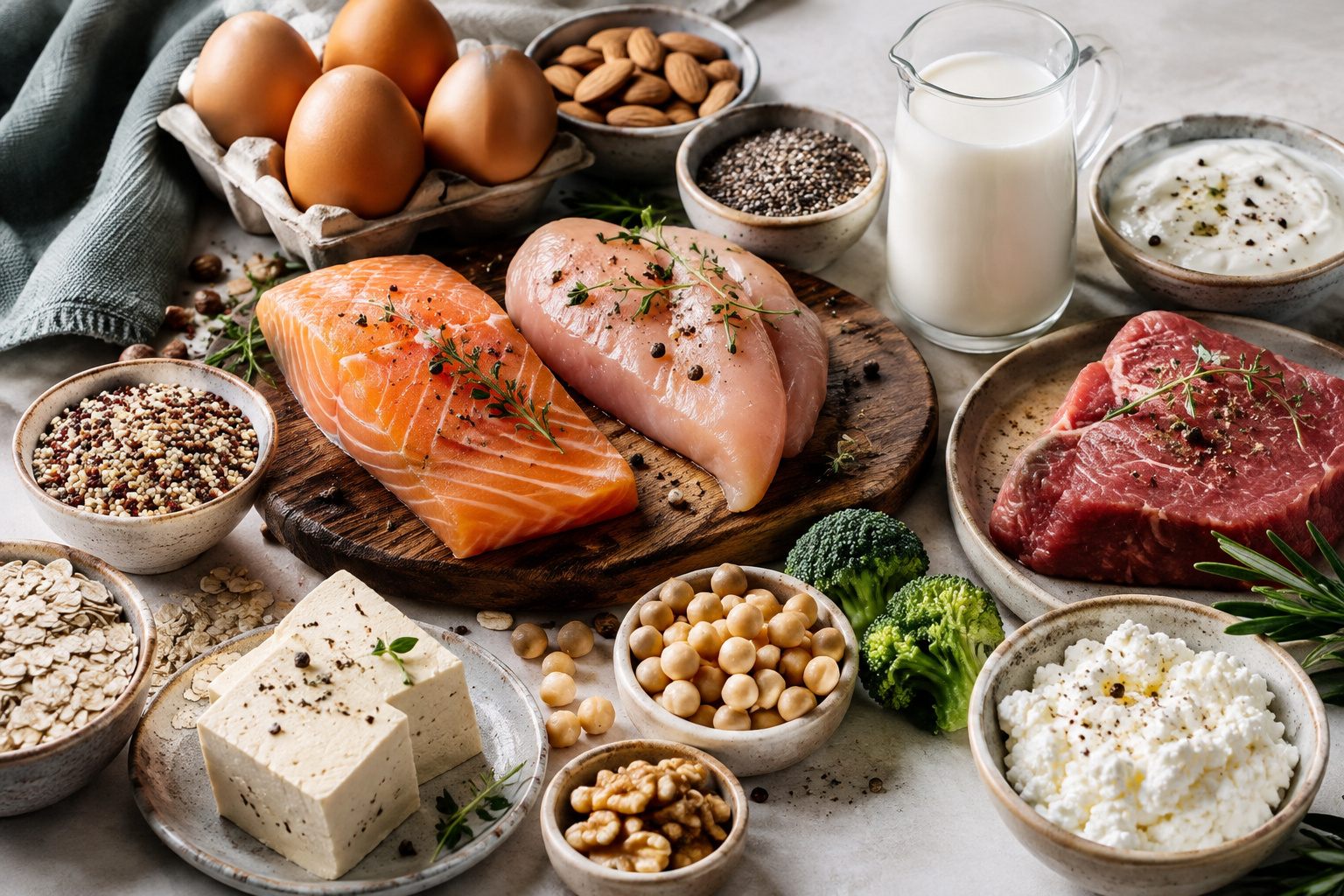
Let’s not overlook the fact that our skin was meant to glow for a reason! And one of the most effective ways to nourish that natural radiance begins with our diet. A key precursor in melanin production is the amino acid tyrosine, which the body obtains through protein-rich foods (Snyman et al., 2024). So the next time you go to the grocery store, add these few extra items to your shopping cart: eggs, fish, meat, dairy, soybeans, beans, and nuts.
Along with protein, copper is another important nutrient because tyrosinase, the enzyme that helps produce melanin, requires copper to function properly. You can find copper in foods such as nuts, seeds, legumes, whole grains, and seafood. *Sidenote: taking too much zinc over time can interfere with copper absorption and lead to copper deficiency (King, et al., 2016).
To support overall skin health, nourish your body with a variety of vitamins, minerals, and antioxidants! So enjoy plenty of fruits, vegetables, leafy greens, and whole grains. But caring for your skin goes beyond what’s on your plate — step outside and feel the sun! Just remember, moderation is key. We want to be sunkissed, not sunburned!

Interesting Facts Worth Knowing
Our skin is far more precious than what society has taught us for many, many generations. Here are a few fascinating facts about our skin that somehow never made it into my school lessons.
Melanin is composed of several chemical elements, including carbon, nitrogen, hydrogen, and oxygen — the same elements found throughout the cosmos. Yes, you read that right — melanin’s presence extends far beyond our skin. A 29-day spaceflight study even found that melanized yeast had approximately 50% higher viability than non-melanized yeast (Cordero et al., 2022). Furthermore, melanin can also be found in an extraordinary range of environments and organisms, including springs, lakes, the atmosphere, soil, animals, seeds, oceans, marine life, and even rocks.
But what makes melanin such a hidden gem is its connection to one of nature’s most remarkable treasures: Diamonds. Carbon, the main element in melanin’s molecular structure, also happens to be the only element found in a pure diamond.
Think about that connection for a moment. The Creator made you with the same substance found in a diamond. Perhaps the diamond was never the only thing worth marveling at. Perhaps the beauty was always within us, too. It even gives a whole new meaning to, “Shine bright like a diamond!”
Hopefully you learned a thing or two; but don’t stop here — this is only the beginning! There are so many books and scientific studies about melanin, so keep exploring, do your own research, and discover just how much more there is to learn about melanin... You!


“You are gods, and all of you are children of the Most High.”