Is Alternative Medicine Really The Alternative?
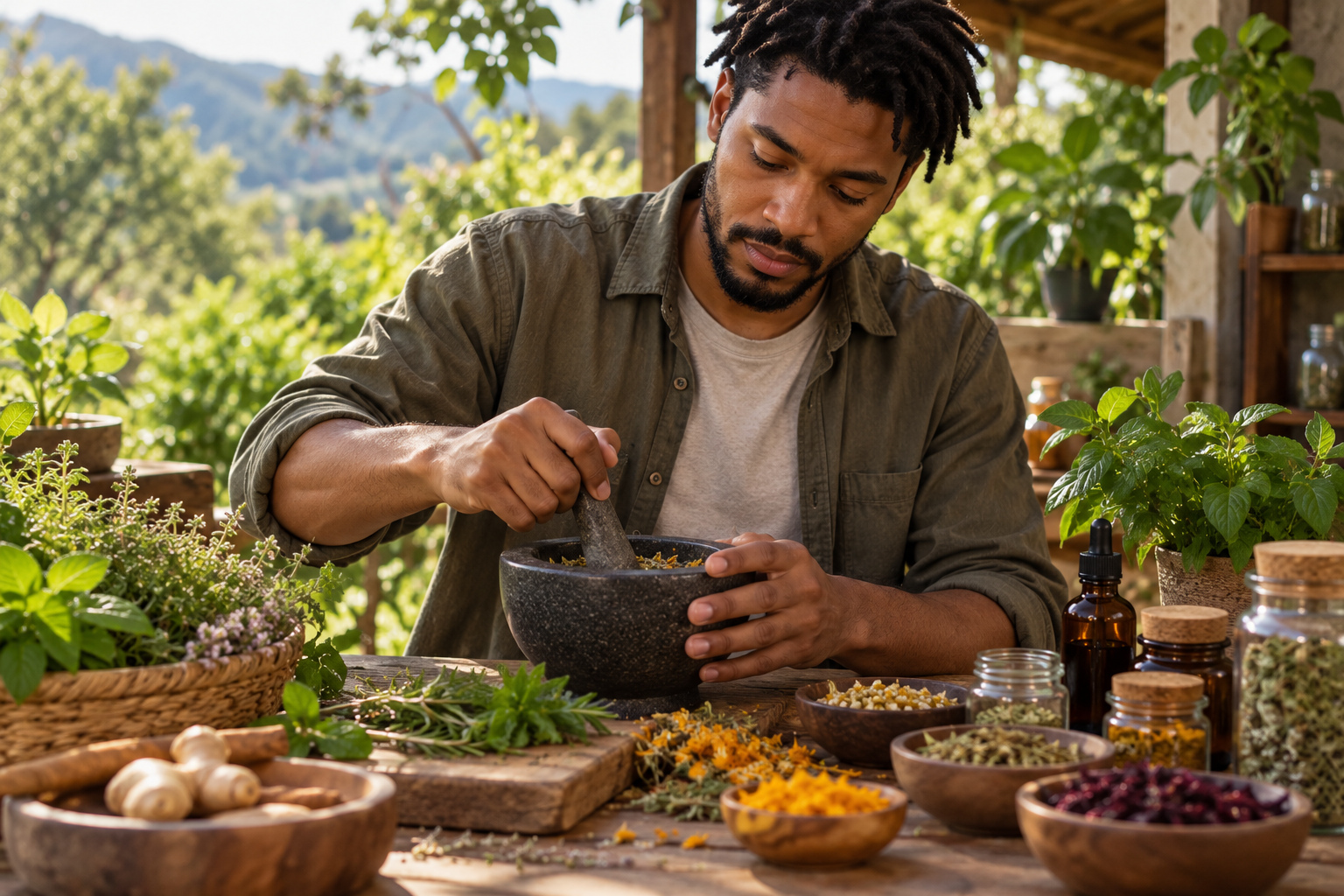
So tell me—when you’re under the weather, what’s your go-to? Do you reach for an over-the-counter fix, or do you channel the ancestors and pull out the herbal remedies? Personally, I’ve always leaned toward the natural route: ginger juice, a bite of lemon, and the occasional “spoon-shot” of honey when a cold hits.
The truth is, herbs, fruits, and vegetables have always done more than just fill our plates—they’ve supported our health for generations. We’ve all heard “food is medicine,” and quite honestly, it holds up. Fun fact: walnuts are great for brain health, ginger supports the stomach, and avocados the uterus. Ever notice how these foods and others look a lot like the organs they benefit? NOT a coincidence.
Beyond what we eat, there’s also the deeper connection between the mind and body. It’s long been understood that our non-physical state can impact our physical health. Stress, for example, can weaken the immune system and even decrease breast milk production. In many traditional practices, healing went beyond just treating the body; in some cases, it took treating the mind first in order to heal the body. That’s because real healing isn’t one-dimensional—it’s holistic.
A funny question to ask is, “Why is alternative medicine called alternative?” Practices like acupuncture, herbal medicine, yoga, massage, meditation, and chiropractic care have been around for thousands of years—long before what we now call conventional medicine. So how did they all of a sudden become the “alternative”?
This article isn’t here to knock any form of medicine. Instead, it’s here to reintroduce, repopularize, and renormalize natural and holistic healing.
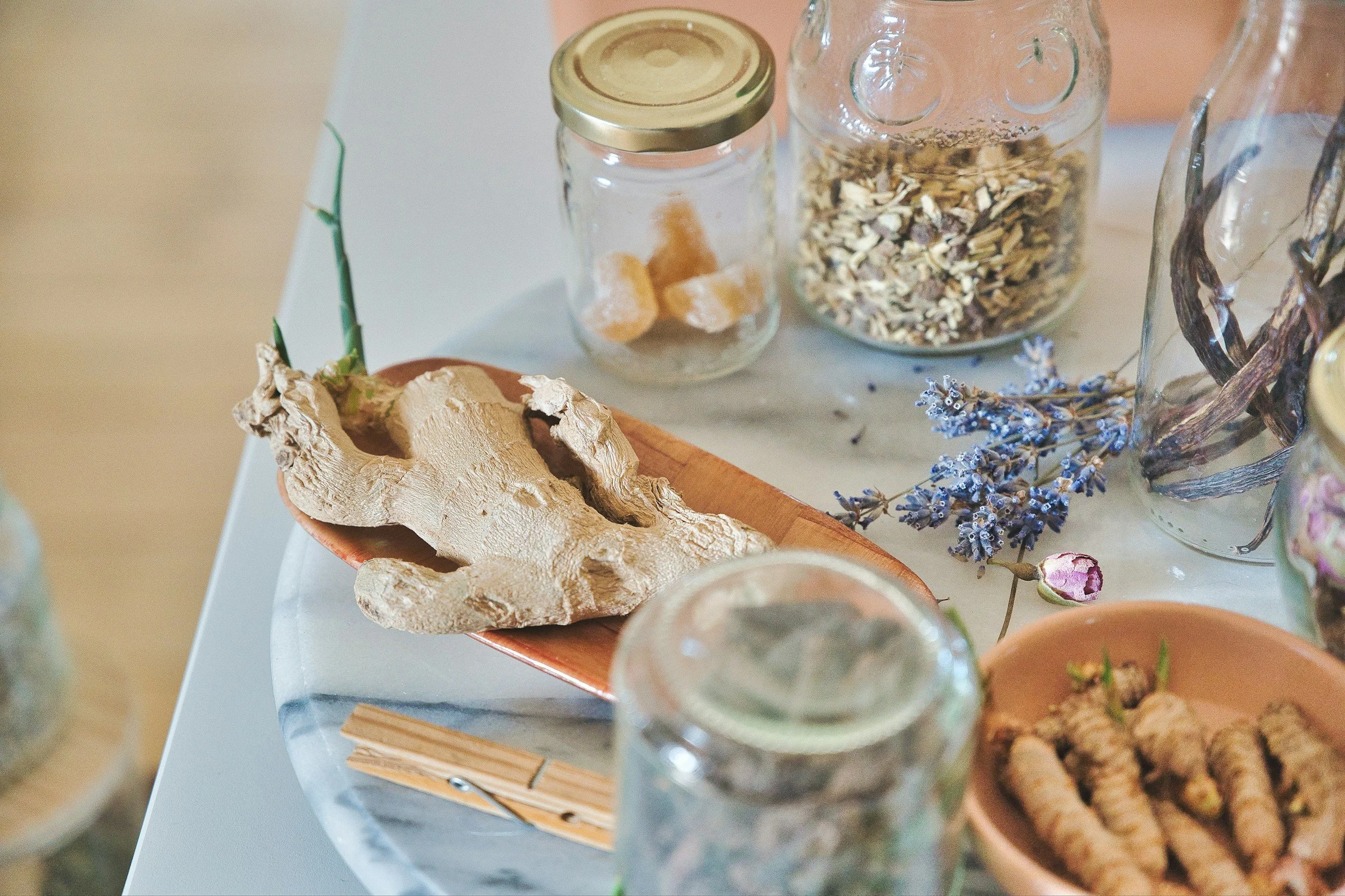
The body is designed to heal itself, but life has a way of getting in the way. Constant stressors can disrupt that natural balance, making it harder for the body to do what it’s built to do: maintain health. And let’s be honest, modern living doesn’t exactly help. Why cook when fast food is everywhere? Why walk when you can drive? Little by little, this lifestyle nudges us toward stagnation and disconnection; in other words, illness.
But the body isn’t meant to be stagnant—it thrives on movement and flow. When something that should be circulating freely becomes stuck, problems start to show up. In many cases, that stagnation can look like things we commonly deal with: clots, constipation, reflux, migraines, dysmenorrhea, PCOS, and more.
This is where a more natural approach to healing steps in. Instead of only focusing on symptoms, it looks at the root—what’s actually disrupting the body’s balance. When that root issue is addressed, the body doesn’t magically heal overnight. What it does gain is the opportunity to restore itself: rebuilding cells, restoring tissues, and repairing organs, thereby revitalizing the immune system so it can function the way it’s meant to.
It’s also important to remember that bacteria, viruses, and other microbes (or pathogens), are a normal part of our environment—they’ve always been here. They tend to become problematic when the body’s defenses are worn down, making the body more susceptible to serving as a host for these opportunistic agents. And what wears the body down? Often, it comes back to stress—both mental and physical—along with other lifestyle factors. Otherwise, we can coexist with these microscopic organisms without issue.
Holistic approaches focus on the whole person: body, mind, and spirit; not just treating what’s visible, but understanding what’s underneath it all.
We’re often taught to treat the body in isolation—manage the symptoms and move on. But another perspective, one that’s been around far longer, takes a different route: look deeper, treat the whole person, and address the root cause.
If nothing else, let this be an invitation to pause and reflect. Maybe there are small shifts you can make, daily habits you can rethink, or areas of your life that deserve a little more attention.
Medical disclaimer: This content is for educational purposes only and is not a substitute for professional medical advice, diagnosis, or treatment.
“And God said, ‘See, I have given you every herb that yields seed which is on the face of all the earth, and every tree whose fruit yields seed; to you it shall be for food’. ”